rsRNAfinder identifies and annotates ribosomal RNA-derived small RNAs (rsRNAs), categorizing them into three series: rRF-5, rRF-3, and rRF-i. It provides comprehensive information of identified rsRNAs including rsRNA category, expression, size, and parent rRNA details (such as locus and strand). Implemented using Python and Bash, rsRNAfinder utilizes the snakemake workflow management system. The source code is open source and compatible with multiple platforms, including Windows, Linux, and MacOS. Installation instructions are provided below.
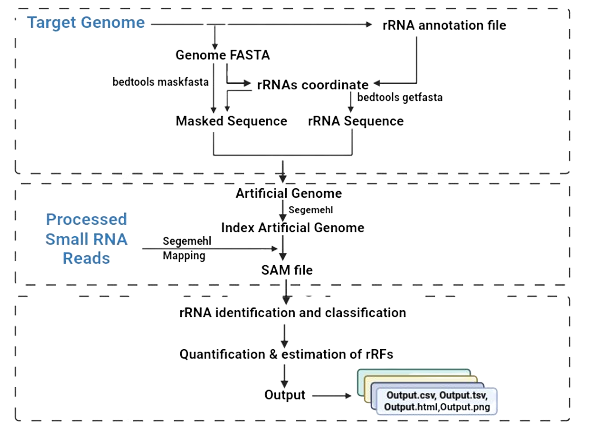
Designed for precision, scalability, and clarity in rsRNA discovery.
In‑depth analysis of reference‑aligned sRNA‑seq data for accurate rsRNA annotation and quantification.
Reports include size distributions, strandedness, genomic origin, and source rRNA details.
Distinguishes distinct rsRNAs from all rRNA types by identity, abundance, and length.
Step‑by‑step guide to download, configure, and run rsRNAfinder.
Download the rsRNAfinder Toolkit package: rsRNAfinder.tar.gz
Clone the repository and set up the environment:
Install Snakemake and dependencies:
OR manually install:
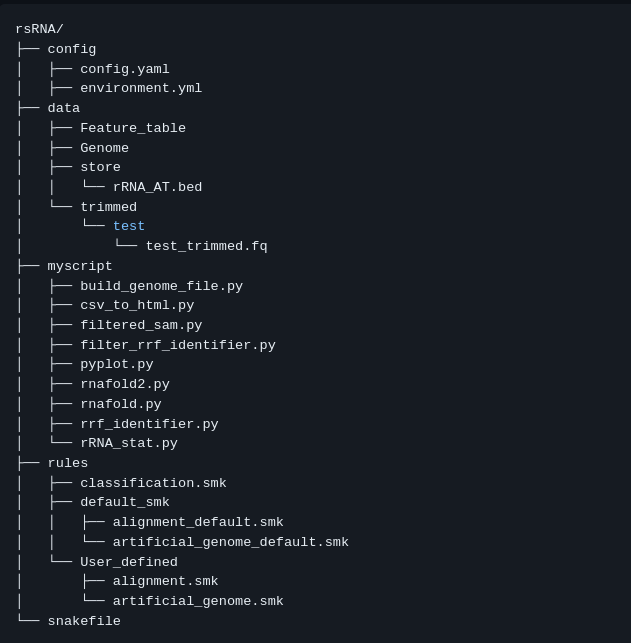
Figure 1: Files inside the main directory
Modify config/config.yaml to suit your data.
data/trimmed/ with names like {xyz}_trimmed.fq.data/Genome/ and feature table to data/Feature_table/. Update config parameters accordingly.
Ensure genome headers follow: >chr[Num], >chrMt, >chrPt.
From the ~/rsRNAfinder/ directory, execute:
Outputs are written to result/ and intermediate/.
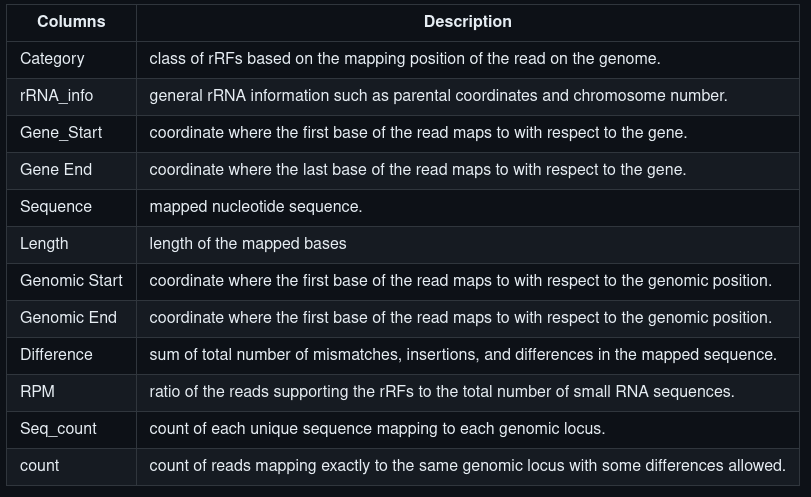
Figure 2: CSV file format
Figure 3: HTML file format
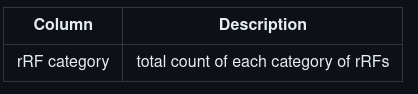
Figure 4: TSV file format
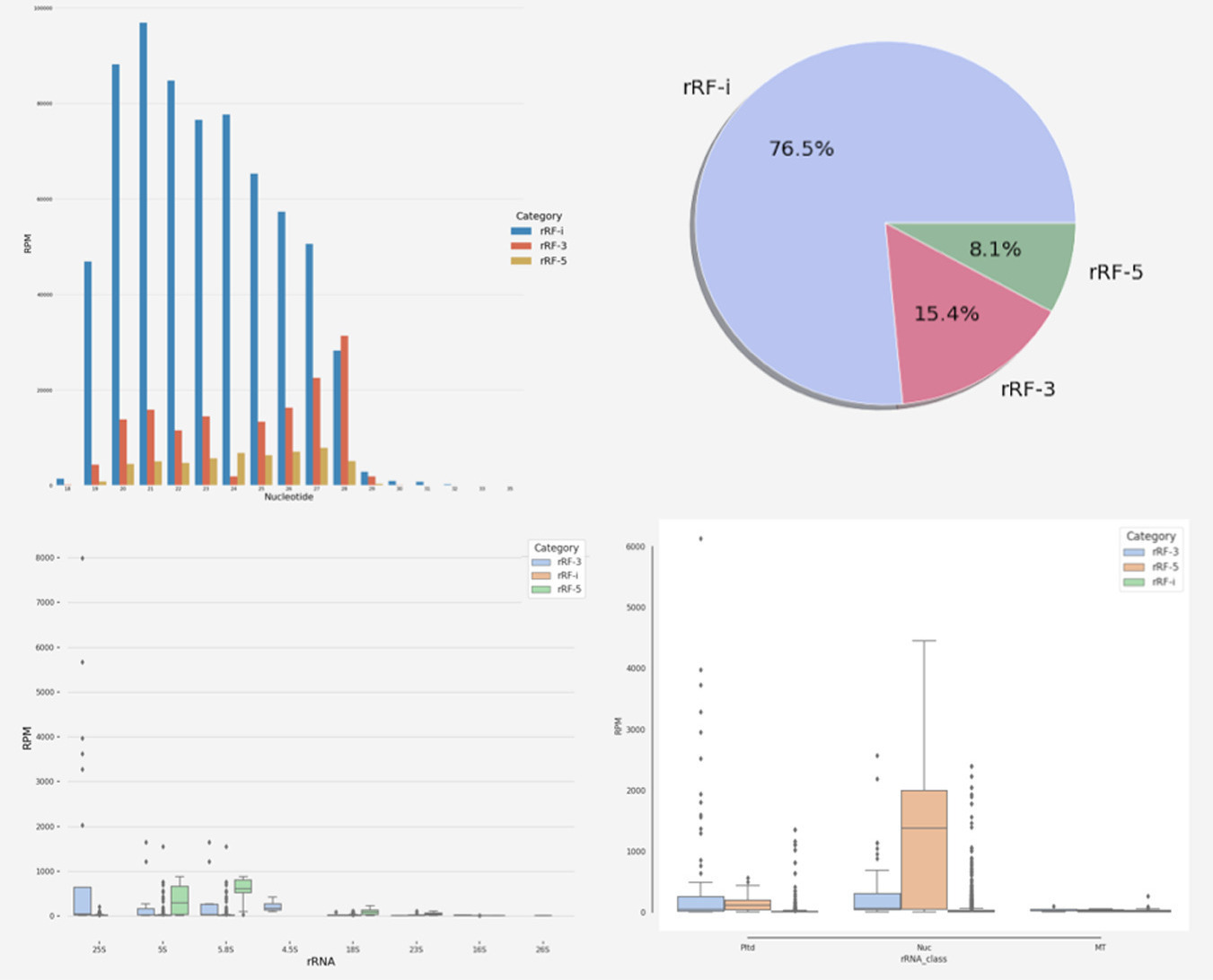
Figure 5: Graphical representation of rRFs
Troubleshooting common issues.
Change "intermediate/SAM/{name}/{dir}/{sample}/{sample}_trimmed.sam" to temp("intermediate/SAM/{name}/{dir}/{sample}/{sample}_trimmed.sam") in rsRNAfinder/rules/default_smk/alignment_default.smk.
Designed & developed by the Dr. Shailesh Kumar research group at NIPGR, New Delhi.
Get in touch with the lab.
National Institute of Plant Genome Research
New Delhi, India
+91-11-26735217